Looking for a Miami neighborhood that feels connected to the bay, easy to explore on foot, and rich with character? Coconut Grove stands apart for exactly that reason. If you are considering a move, a second home, or an investment in this part of Miami-Dade, it helps to understand how the Grove actually lives day to day. This guide walks you through its village core, waterfront rhythm, historic character, and what that lifestyle can mean for you. Let’s dive in.
Why Coconut Grove Feels Different
Coconut Grove is one of Miami’s oldest neighborhoods, and that history still shapes the experience you get today. City planning documents describe a community known for lush landscaping, a strong tree canopy, bay views, public open space, recreational opportunities, commercial services, and historic structures.
In practical terms, that gives the Grove a setting that feels more layered and intimate than many other parts of Miami. Instead of reading as purely dense and vertical, it often feels like a village-scale waterfront neighborhood with leafy streets, public green space, and a strong connection to Biscayne Bay.
The area’s identity has also been shaped by Bahamian and bohemian traditions, according to Coconut Grove business district materials. That background adds to the sense that Coconut Grove is not just a place to live, but a place with an established character and rhythm.
Village Life in the Commercial Core
At the center of day-to-day life is CocoWalk, which the Coconut Grove BID describes as the heart of the action. It brings together boutiques, eateries, bars, cafes, and a 13-screen movie theater in one central location.
That matters because convenience in Coconut Grove is not only about errands. It is also about being able to step out for coffee, meet friends for lunch, catch a movie, or spend time outdoors without needing to make every outing a full drive across the city.
The Grove’s business district is also intentionally managed to support that experience. The BID highlights work around cleanliness, security, streetscape beautification, parking access, events, and capital improvements, all of which help the village core feel active and navigable.
Walkability With Real Daily Use
If you are wondering whether Coconut Grove is truly walkable, the answer is yes in the way many buyers mean it. The commercial core is organized around a walking-village model, and many of the neighborhood’s dining, shopping, and public spaces sit close together.
The City of Miami’s Coconut Grove trolley adds another layer of convenience. It connects the neighborhood core to the Coconut Grove and Douglas Road Metrorail stations, Grove Central, City Hall, and several parks, with service running Monday through Saturday from 6:30 a.m. to 11 p.m.
That combination of walkability and local transit gives you options. You can move around the neighborhood with more flexibility, whether you are heading to the village center, the waterfront, or a transit connection for a broader Miami trip.
A Strong Indoor-Outdoor Social Rhythm
Coconut Grove’s lifestyle is closely tied to the outdoors. Local business district examples help show that rhythm clearly, from Greenstreet Café’s dog-friendly patio culture to Koko’s setting in the tree canopy and Bayshore Club’s waterfront indoor-outdoor experience.
This is one reason the Grove often feels social without feeling rushed. You are not just moving between buildings. You are moving through patios, park edges, shaded streets, and waterfront settings that make everyday life feel more open-air.
The BID’s annual reporting also points to year-round events and wellness programming at Peacock Park. That helps explain why the neighborhood core often feels active beyond normal shopping and dining hours.
Waterfront Living Is Part of the Identity
In Coconut Grove, the waterfront is not a distant backdrop. City master-planning materials describe the Coconut Grove Waterfront Area and Spoil Islands, often associated with Dinner Key, as the waterfront heart of the neighborhood.
This corridor includes Peacock Park, Dinner Key Marina, the sailing club area, a public boat ramp at Seminole Dock, and Kennedy Park. Together, these features make the bay feel woven into daily life rather than reserved for occasional weekend use.
If waterfront access is important to you, that distinction matters. In some neighborhoods, the water is mostly visual. In Coconut Grove, it is tied to parks, marinas, open space, recreation, and movement.
Parks That Anchor the Bayfront Experience
Peacock Park is a 9.4-acre waterfront urban park on Biscayne Bay with direct Intracoastal access. The city also notes a planned shoreline stabilization and kayak launch project, which reinforces the park’s role as both open space and a practical point of connection to the water.
Kennedy Park adds more ways to use the waterfront day to day. It includes bike paths, a dog park, outdoor gym equipment, playgrounds, volleyball, and waterfront access.
Regatta Park extends that bayfront utility with a boat ramp and open waterfront space for picnics and gatherings. For many buyers, this concentration of public waterfront amenities is a major part of Coconut Grove’s appeal.
A Real Boating Culture
For boaters, Coconut Grove offers substance, not just image. Dinner Key Marina is the neighborhood’s marquee marine facility, and the City of Miami says it includes 587 wet slips and more than 250 moorings.
The marina accommodates transient, seasonal, long-term, and liveaboard boaters. It also offers practical services such as parking, laundry, restrooms, a dinghy dock, shuttle service, and pump-out service.
Just as important, Dinner Key Marina sits a short walk from the village core. That proximity helps explain why boating and bay access feel like part of the neighborhood identity rather than a separate lifestyle tucked away from everyday living.
Historic Character Still Shapes the Streets
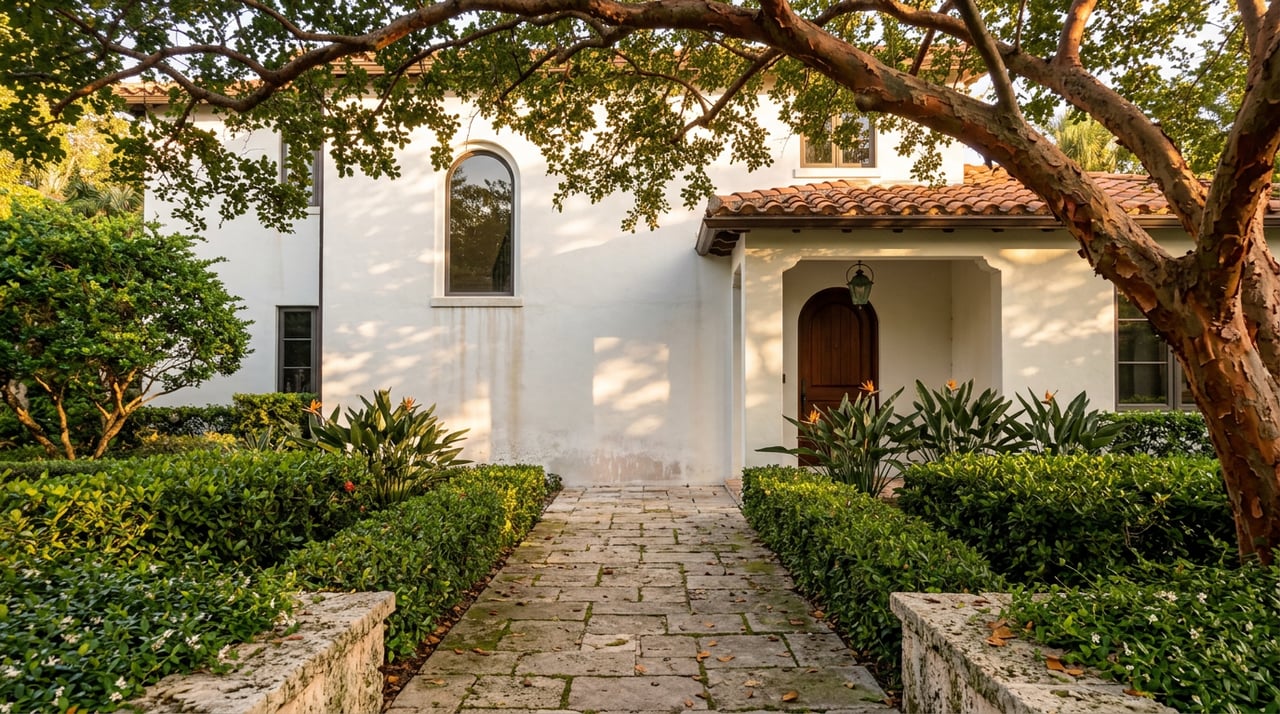
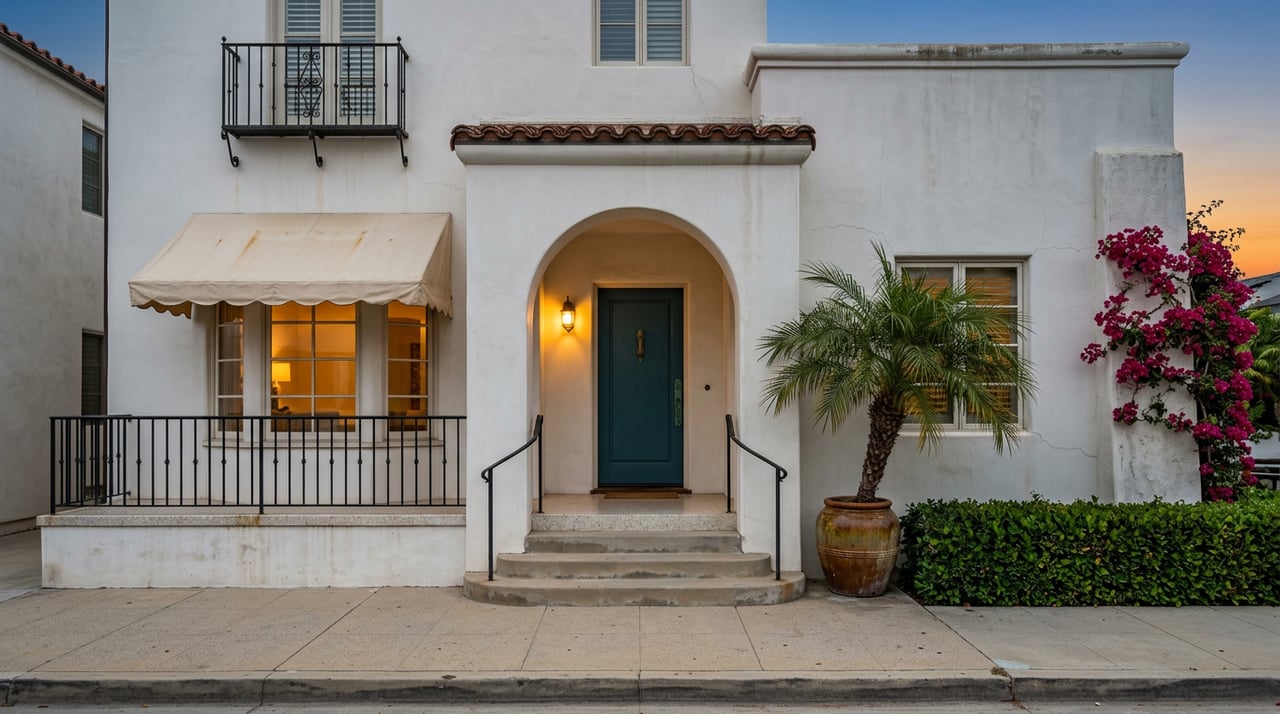
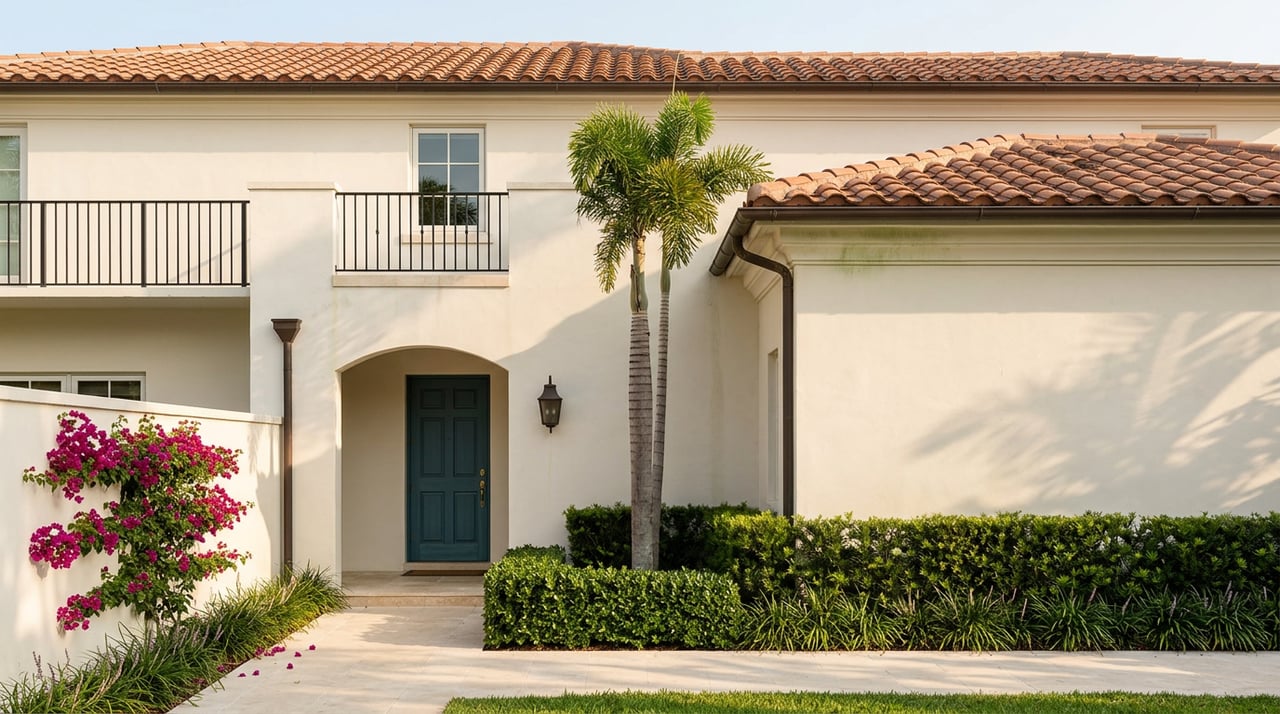
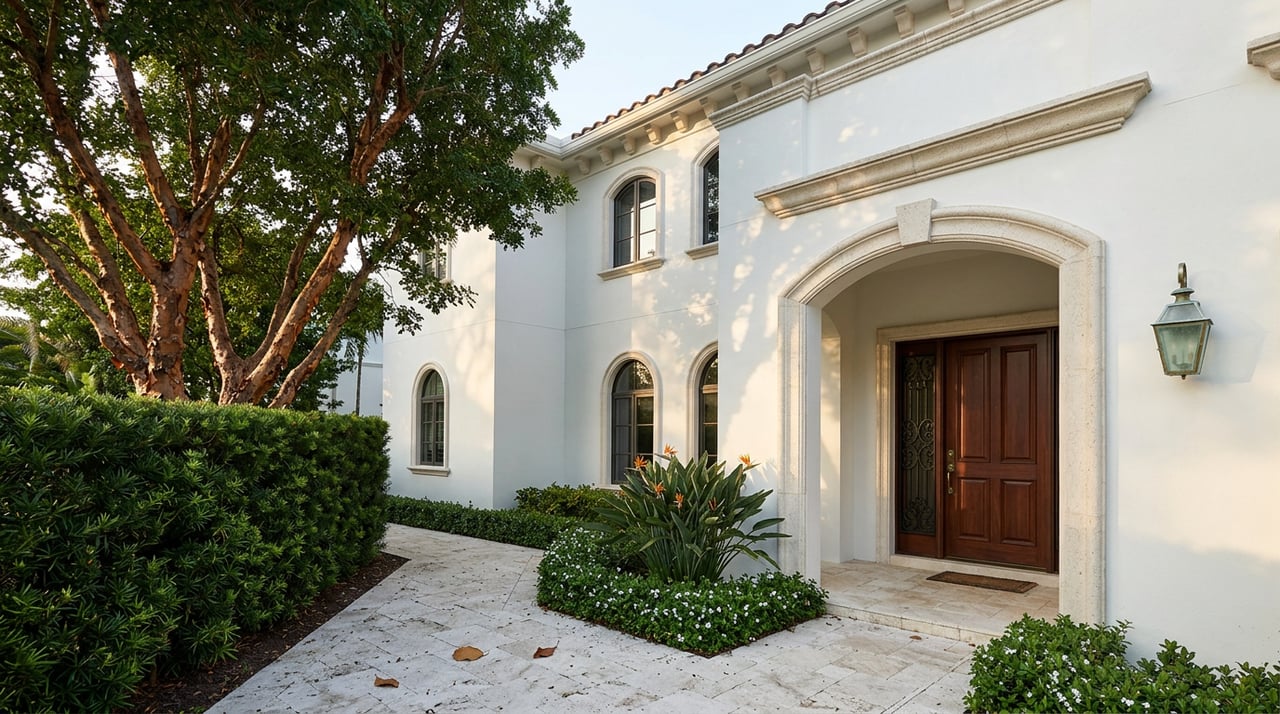
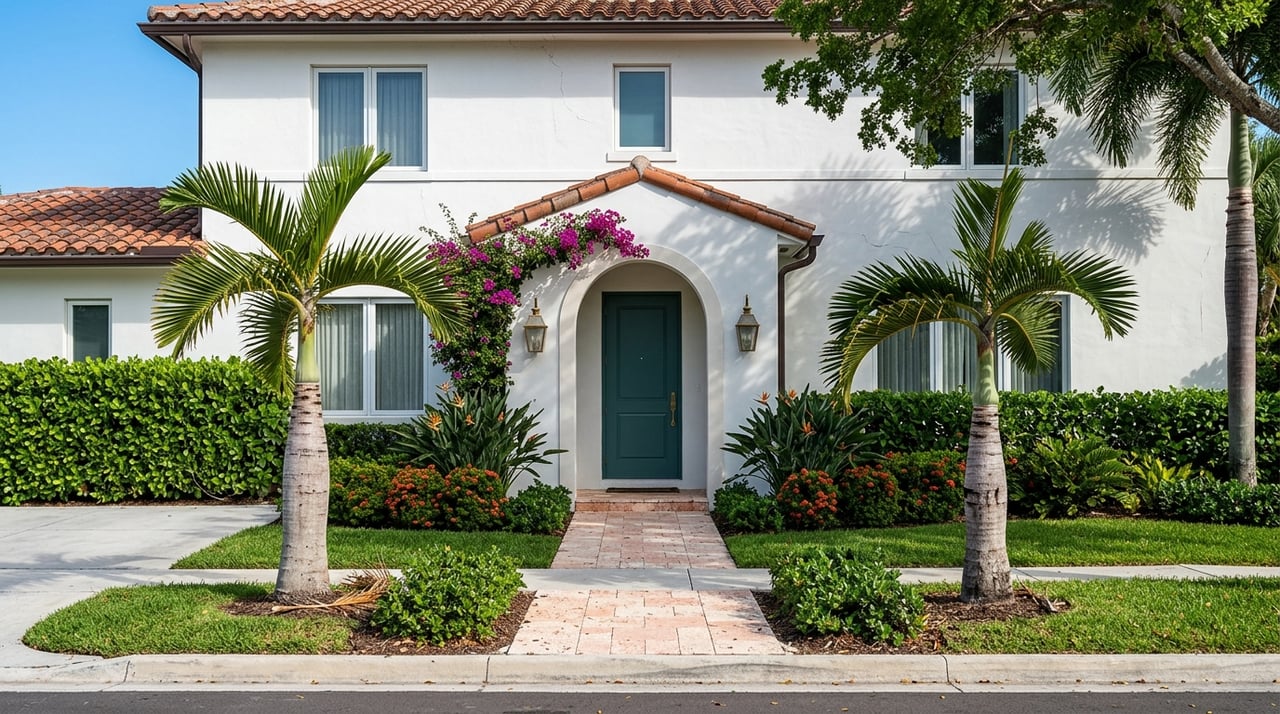
Coconut Grove’s residential setting carries a different feel from newer planned districts. The neighborhood conservation framework emphasizes preserving its historic and heavily landscaped residential character, naturally occurring vegetation, unique lot shapes, bay views, and historic structures.
That shows up in the lived experience of the area. Streets feel shaded, the landscaping feels established, and the neighborhood often reads as lower-rise and more organic than other Miami locations.
A landmark example is The Barnacle Historic State Park. Built in 1891, it is the oldest house in Miami-Dade County still standing in its original location, set along Biscayne Bay within a preserved hammock landscape and tree-lined paths.
What Buyers Often Appreciate Most
If you are drawn to Coconut Grove, you may be looking for something specific. The neighborhood tends to appeal to buyers who value shade, history, village-scale retail, and easy access to the bay more than a purely vertical or auto-centric Miami experience.
That does not mean Coconut Grove feels sleepy. It means the energy comes from a different mix: parks, marinas, cafes, walkable streets, and a strong public realm shaped around outdoor use.
For relocation buyers and second-home buyers, that balance can be especially attractive. You get access to city life, but in a setting that often feels more grounded and residential in character.
What Day-to-Day Life Can Look Like
One of the best ways to understand Coconut Grove is to picture a normal week. You might start your morning in the village core, spend time in a waterfront park later in the day, and end with dinner or a casual outing near the bay.
You may also find that movement feels more natural here than in many car-first neighborhoods. Between the compact commercial center, the trolley, the parks, and the marina area, the Grove supports a daily rhythm built around shorter trips and more time outside.
For many buyers, that is the real draw. Coconut Grove offers a way of living that feels both connected and relaxed, with the bay, the tree canopy, and the village center all playing a role.
Why This Matters in a Home Search
Lifestyle is not a side detail when you are choosing where to buy. In a neighborhood like Coconut Grove, the setting influences how you spend your time, how you move through your day, and what kind of home experience feels most natural.
If you are comparing Miami neighborhoods, it helps to ask a few practical questions:
- Do you want easy access to waterfront parks and boating infrastructure?
- Do you value a walkable commercial core with dining and everyday conveniences?
- Are you drawn to mature landscaping, historic character, and lower-rise streetscapes?
- Do you prefer a neighborhood that feels socially active outdoors rather than centered only on towers and traffic?
If the answer is yes, Coconut Grove may deserve a closer look. It offers a distinct mix of waterfront access, historic texture, and village-style convenience that is not easy to replicate elsewhere in Miami.
Whether you are exploring a primary residence, a second home, or a strategic purchase in greater Miami-Dade, working with an advisor who understands neighborhood nuance can make the search more focused and efficient. To discuss Coconut Grove and other premier Miami neighborhoods, connect with Jennifer Brilliant.
FAQs
Is Coconut Grove walkable for daily errands and outings?
- Yes. The commercial core is organized around a walking-village model centered on CocoWalk, and the city trolley connects the area to Metrorail stations, parks, Grove Central, and City Hall.
Is Coconut Grove a good neighborhood for boaters?
- Yes. The area includes Dinner Key Marina, a large mooring field, sailing-related facilities, and nearby public waterfront access points such as Regatta Park and Seminole Dock.
What does Coconut Grove feel like day to day?
- Coconut Grove generally feels leafy, low-rise, and active around parks, cafes, and the bay, with a strong emphasis on walking and outdoor living.
What makes Coconut Grove different from other Miami neighborhoods?
- Coconut Grove stands out for its historic roots, mature tree canopy, village-scale commercial center, waterfront parks, and everyday connection to Biscayne Bay.
Does Coconut Grove have public parks on the water?
- Yes. Peacock Park, Kennedy Park, and Regatta Park all contribute to the neighborhood’s bayfront lifestyle with open space, recreation, and waterfront access.