Thinking about leaving the beach but not the lifestyle that drew you there in the first place? For many buyers, Miami Shores offers a compelling next chapter: more space, more privacy, and a more grounded day-to-day rhythm while still keeping Biscayne Bay, downtown Miami, and the beaches within easy reach. If you are weighing that trade, this guide will show you why Miami Shores continues to stand out for former beach residents. Let’s dive in.
Miami Shores Offers a Different Kind of Coastal Living
One of the biggest reasons people make the move is simple: Miami Shores feels connected without feeling crowded. According to the Village of Miami Shores FY2026 Adopted Budget Book, the village sits on Biscayne Bay in northeastern Miami-Dade, just north of the City of Miami, with convenient access to I-95, downtown, and the beaches.
That location matters if you want to step away from the density and pace that often come with beachfront condo living. Miami Shores spans just under 3.75 square miles and is described by the village as a quiet, predominantly single-family community with tree-lined streets, wide roads, a downtown area, and a small-town atmosphere. For many former beach residents, that feels less like giving something up and more like refining how they live.
More Space Is Often the Main Draw
If you are coming from a condo or a tightly packed coastal neighborhood, the shift in scale can be one of the most noticeable advantages. Miami Shores has a residential pattern that gives many homeowners more yard space and more separation between homes than you typically find in beach-centered submarkets.
A 2025 village residential code review found average parcel sizes of about 9,643 square feet in one district, 10,325 square feet in another, and 12,849 square feet in a third. That does not mean every property has a large lot, but it does support the broader appeal of Miami Shores for buyers who want outdoor space, room for additions, or simply a little more breathing room.
Why extra space matters after beach living
For many owners, beach life is exciting at first and less practical over time. You may start wanting:
- A private yard instead of shared amenities
- More storage and flexible living space
- Fewer building rules and monthly association concerns
- Room for guests, hobbies, or multigenerational needs
- A home that feels more permanent than seasonal
That is where Miami Shores often enters the conversation.
The Homes Have Character You Can Feel
Former beach residents are not always looking for more square footage alone. Often, they also want a home with architectural identity and a neighborhood with a distinct sense of place.
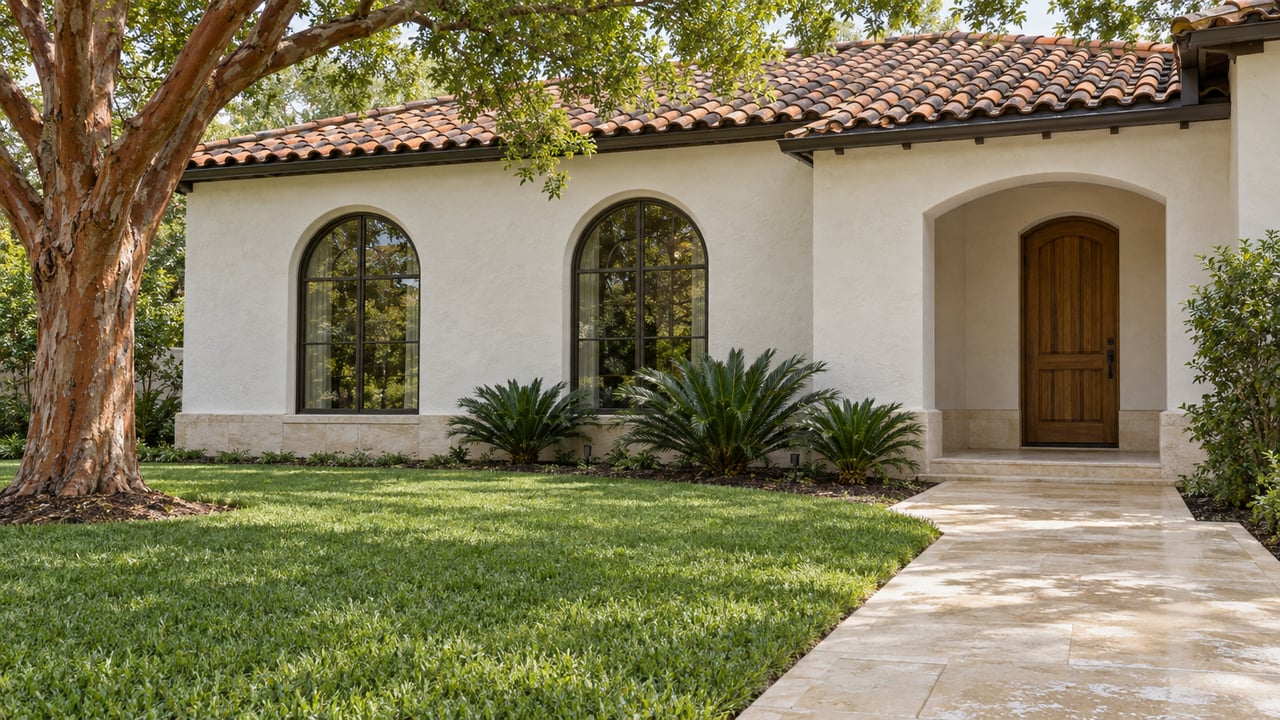
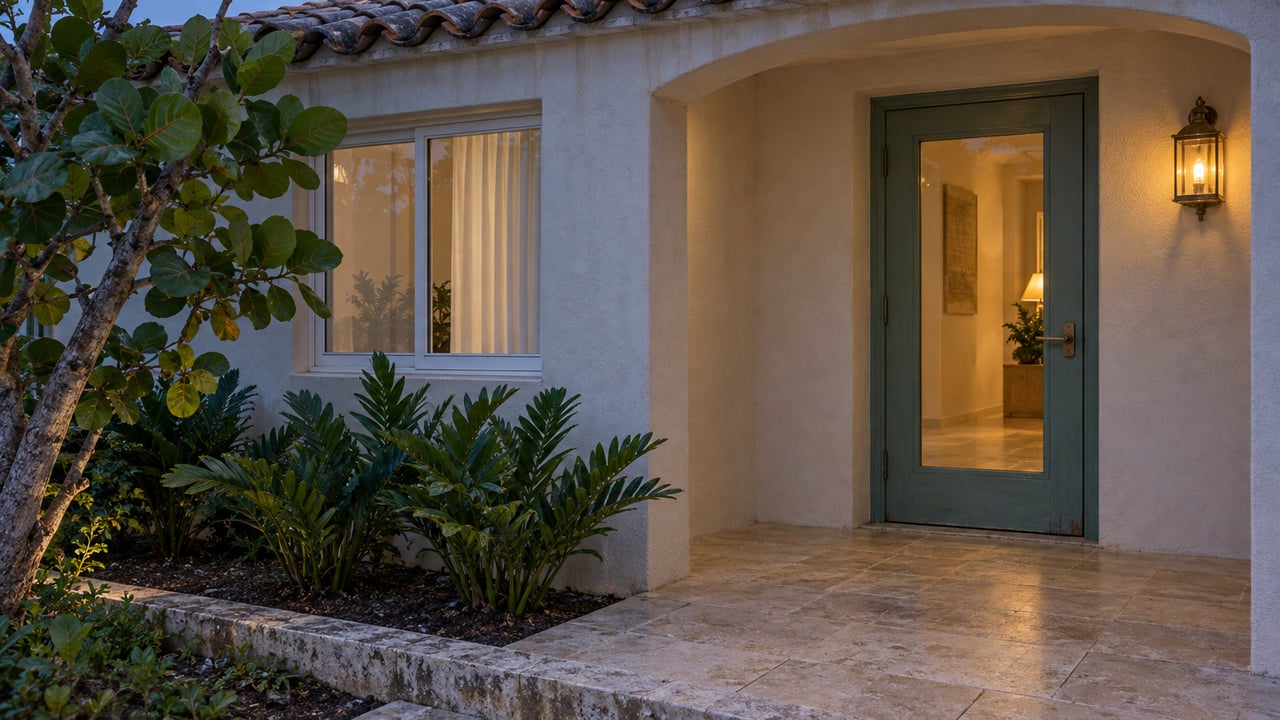
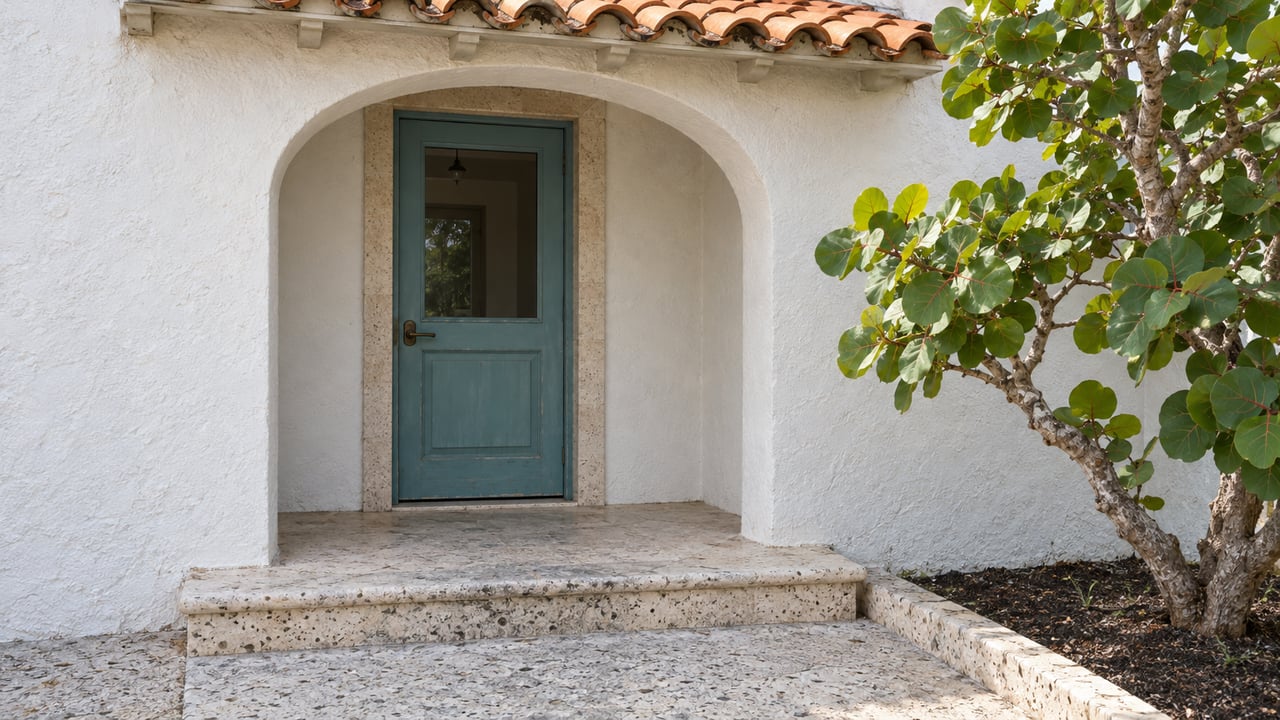
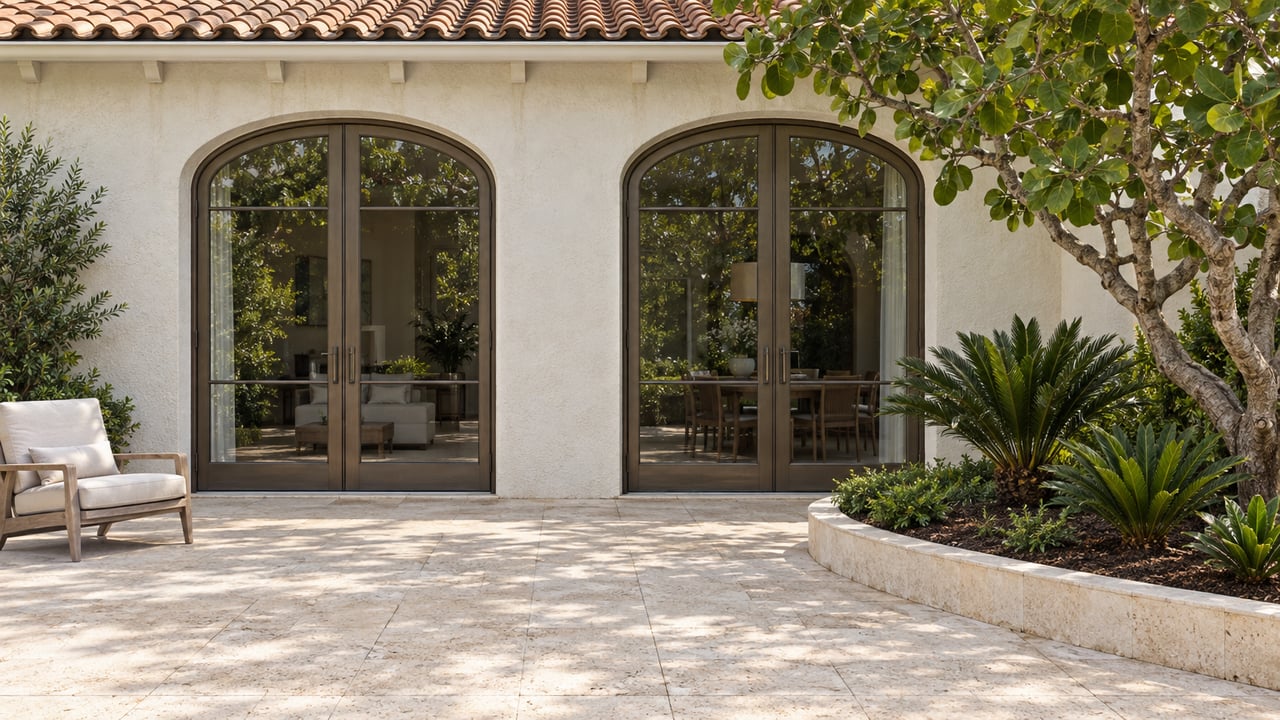
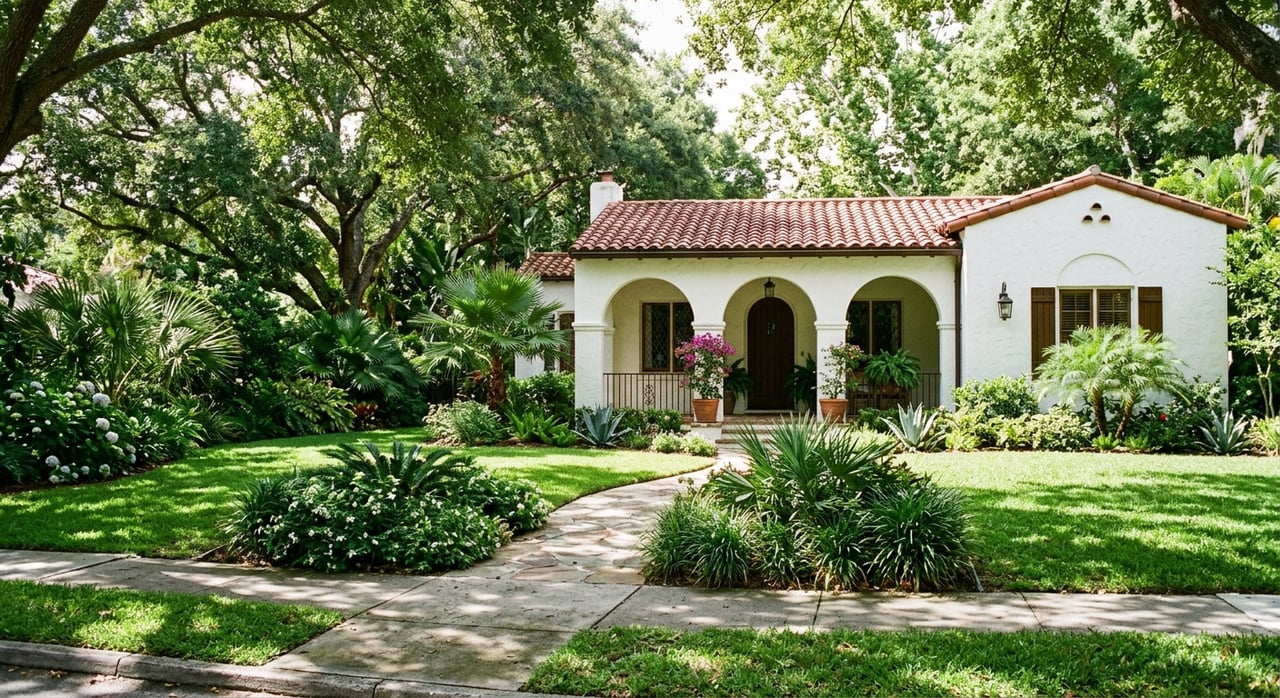
Miami Shores delivers on that front. The village describes its housing stock as a mix of MiMo, Mediterranean Revival, Art Deco, contemporary, and Mid-Century Modern homes in a setting shaped by South Florida’s early planned-suburb history. The same village budget book notes that more than 40 homes have been designated by the Village Council through its historic preservation efforts.
A change from uniform condo living
If you have lived in a tower or a newer beachfront building, Miami Shores can feel refreshingly varied. Instead of repeated floorplans and shared corridors, you see homes with individual facades, established landscaping, and design details that reflect different eras of South Florida architecture.
That character can make a move feel more personal. It also tends to appeal to buyers who want a property that feels distinctive rather than interchangeable.
Daily Life Feels More Self-Contained
Another reason Miami Shores resonates with former beach residents is that you can keep many of the conveniences you value while gaining a more neighborhood-oriented routine. You are not moving to an isolated suburb. You are moving to a village with its own infrastructure and amenities.
The village recreation department says Miami Shores offers a community center, athletics, aquatics, tennis, and more than 40 recreation classes per week. The Aquatic Center includes an eight-lane year-round competition pool and a seasonal aquatic playground, while the village budget book also highlights parks, community centers, a public library, and a municipally owned golf course and country club.
Bay access still shapes the lifestyle
If water remains important to you, Miami Shores still delivers a coastal-adjacent experience. The Miami Shores Golf Course describes an 18-hole championship course with mature oak trees and views toward Biscayne Canal, and the village’s Bayfront Park project includes plans to improve public waterfront access, including a public waterfront trail of about 900 feet.
For former beach residents, that can be the sweet spot. You stay close to the bay and the broader coastal lifestyle, but in a way that often feels calmer and more integrated into daily living.
The Area Supports Long-Term Living
A neighborhood often feels different when more people are putting down roots. Miami Shores stands out in that regard.
The village budget book reports about 86.7% owner occupancy, which helps explain why the area often feels stable and residential rather than transient. It also reports that about 65% of adults have a bachelor’s degree or higher, which contributes to the village’s established, long-term-owner profile.
For buyers coming from beach areas with a more seasonal or investor-heavy feel, this can be an important change. The appeal is not just the house itself. It is the day-to-day consistency of the environment around it.
Education Access Adds Practical Value
For households thinking long term, practical infrastructure matters. Miami Shores includes several educational resources within the village, which can be part of the appeal for buyers looking for convenience and continuity.
The village budget book lists Miami Shores Elementary, Doctors Charter School, and Barry University as part of the local educational ecosystem. Miami Shores Elementary’s official site notes that the school earned an A for the 2024-2025 school year, and the attendance-zone map places its boundary in the northeast part of the village near Biscayne Bay, as referenced in the village materials.
This is not just about families with children. Even for buyers who are downsizing from the beach or planning farther ahead, proximity to established community infrastructure can support resale value and day-to-day convenience.
The Market Supports a Strategic Move
Miami Shores is a premium market, but current data suggests a more balanced environment than some buyers expect. That matters if you are trying to time a move from a beach condo or reposition your housing costs into a single-family home.
According to Miami Realtors 2025 local market metrics, Miami Shores posted a 2025 full-year single-family median sale price of $1.2175 million, with 139 closed sales. The same report shows Miami-Dade County’s 2025 countywide single-family median at $665,000.
At the same time, the research also describes Miami Shores as a balanced market in early 2026, with active inventory, longer days on market, and average sale prices coming in below asking. In practical terms, that means the area may offer room for negotiation, especially compared with highly compressed beachfront segments where inventory can feel more constrained.
What that means for former beach owners
If you are selling or leaving a beach property, Miami Shores can represent a strategic lifestyle trade:
- You may gain more interior and exterior space
- You may reduce reliance on condo-style living
- You can stay connected to the bay and urban core
- You may find a more balanced buying environment
- You can shift into a neighborhood designed for longer-term use
That combination is exactly why many buyers see Miami Shores as an upgrade in livability, even if it is a change in setting.
Why the Appeal Is Growing
At its core, Miami Shores appeals to former beach residents because it preserves many of the benefits of coastal Miami without requiring the same lifestyle format. You can still be near the water. You can still reach Miami Beach and downtown with relative ease. But you trade density, shared walls, and a resort-like rhythm for space, character, and a village setting that often feels more settled.
For many buyers, that is the next logical move. It is not about leaving the coast behind. It is about choosing a version of Miami living that better fits how you want to live now.
If you are weighing a move from the beach to a more residential setting, working with someone who understands both coastal buyer psychology and neighborhood positioning can make the process much more strategic. Jennifer Brilliant brings a thoughtful, data-driven perspective to luxury moves across greater Miami-Dade and can help you evaluate whether Miami Shores fits your next chapter.
FAQs
Why do former beach residents consider moving to Miami Shores?
- Many buyers are drawn to Miami Shores for its lower-density setting, larger residential lots, architectural character, and proximity to Biscayne Bay, downtown Miami, and the beaches.
Is Miami Shores still close to Miami Beach and downtown Miami?
- Yes. Village materials describe Miami Shores as being just north of the City of Miami with convenient access to I-95, downtown, and the beaches.
What kind of homes are common in Miami Shores?
- Miami Shores includes a mix of MiMo, Mediterranean Revival, Art Deco, Mid-Century Modern, contemporary, and other architecturally distinct single-family homes.
Does Miami Shores offer more space than beach condo areas?
- In many cases, yes. Village parcel data shows average lot sizes in several residential districts ranging from about 9,643 to 12,849 square feet, which supports the area’s reputation for offering more land and yard space.
What amenities are available in Miami Shores for daily living?
- The village offers recreation programs, an Aquatic Center, tennis, parks, community centers, a public library, and a municipally owned golf course and country club, creating a more self-contained day-to-day lifestyle.
Is Miami Shores a stable long-term residential market?
- Village data indicates about 86.7% owner occupancy, which helps support its reputation as an established, long-term-owner community rather than a transient resort market.