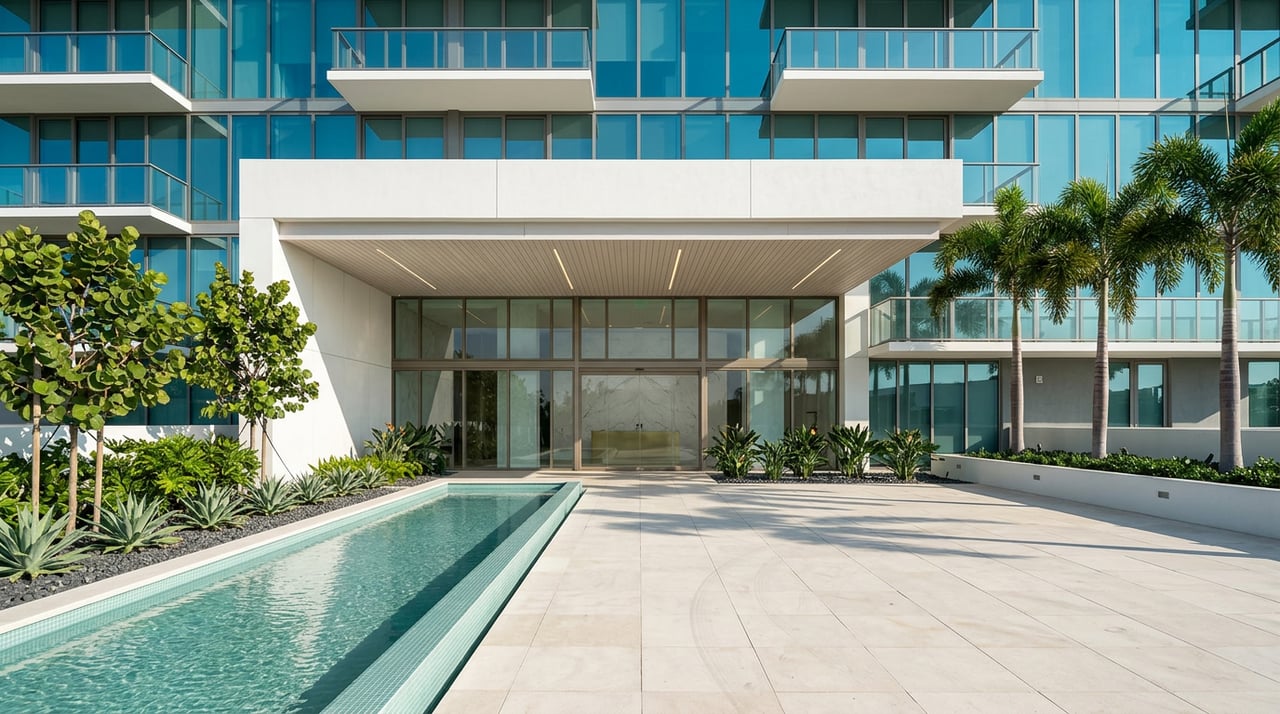
If you are exploring new or pre-construction condos in Sunny Isles Beach, you are not alone. Investors from around the world love the oceanfront skyline and the strong year-round demand drivers here. The key is separating lifestyle-driven towers from buildings that can actually deliver consistent returns. In this guide, you will get a clear, data-backed playbook to evaluate projects, model yields, understand rental rules, and protect your capital. Let’s dive in.
Why Sunny Isles attracts investors
Sunny Isles Beach sits between Bal Harbour and Aventura with direct ocean frontage and resort-style amenities. It draws a mix of seasonal visitors, year-round professionals, and second-home owners. According to RentCafe’s latest Sunny Isles rent snapshot, average rent across all rentals runs about $2,858 per month, with reported 1-bedroom and 2-bedroom averages near $2,412 and $3,149, and about 46% of households renter-occupied. You can review the full data in RentCafe’s Sunny Isles rent trends.
International demand is a major force in the new-construction segment. Recent analyses show nearly half of new South Florida construction sales in some periods went to global buyers, many of whom use cash or large down payments. That buyer base supports presales and absorption for new towers. See the MIAMI REALTORS profile of international buyers for broader context.
Understand the two-tier condo market
New and pre-construction in Sunny Isles Beach typically falls into two buckets. Your underwriting should match the product type.
Inland and mid-market condos
Many mid-market condos away from the beachfront can deliver mid single-digit gross yields when leased long term. A simple example uses the 1-bedroom average rent of $2,412 and a $500,000 purchase price. Gross yield equals monthly rent times 12 divided by purchase price. That is about 5.8%. After HOA fees, insurance, taxes, management, and vacancy, net yield often compresses into the 2–4% range unless you find expense efficiencies.
Oceanfront branded towers
Beachfront branded towers and ultra-luxury residences trade at multi-million-dollar entry prices and are often prized for lifestyle and long-term appreciation, not current yield. For example, if an ultra-luxury entry price is $5.6 million and you average $8,000 per month furnished, the gross yield is roughly 1.7%. Sponsors like Dezer have a long track record with landmark projects; review Dezer Development’s portfolio for context. The scale of financing for current projects matters too. The Bentley Residences construction loan closed in 2025 illustrates lender confidence when a sponsor meets presale and capital requirements.
Rental rules that shape your plan
Before you model revenue, confirm what is legally allowed. Sunny Isles Beach requires a Short-Term Vacation Rental License for rentals of six months or less and a formal application with documentation and tax registration. Importantly, your condo association can still prohibit short-term rentals. A city license does not override your building’s governing documents. Review the city’s guidance on the Short-Term Vacation Rental License and insist on the building’s recorded declaration, bylaws, rules, and any lease-restriction amendments.
If you are buying pre-construction, Florida law requires a developer prospectus and public offering statement for residential condominiums above statutory thresholds. These documents must disclose use restrictions, budgets, and reserve plans. Request them early and read them closely. Learn more about Florida condominium prospectus and disclosure requirements. Associations can set lease-approval processes, minimum lease terms, and caps within legal limits, so your final answer always comes from the recorded documents.
Costs that move your returns
Operating costs in South Florida have climbed, and they vary by tower and amenity set. Budget conservatively and verify line items using the prospectus and building financials.
- HOA or common expenses by line item: staffing, security, insurance, utilities included, maintenance, and reserves.
- Master insurance premiums and deductibles, plus flood insurance if required by a lender.
- Property taxes, management fees, leasing fees, and platform fees for short-term rentals if allowed.
- Vacancy and maintenance allowances. A 5–10% vacancy assumption is common for long-term leases, while seasonal occupancy varies for furnished rentals.
- Reserve funding and potential special assessments tied to structural needs.
Recent reporting on rising HOA and insurance costs highlights why you should stress-test budgets. Florida also mandates structural integrity reserve studies and milestone inspections for buildings three stories or higher. Associations cannot waive certain critical reserves. Confirm timing and findings of any SIRS or milestone inspection using credible summaries like this overview of structural integrity reserve studies and milestone inspections.
Geotechnical conditions are another underwriting item. Reporting has identified measurable settlement and subsidence in parts of the Miami to Sunny Isles corridor. Review site-specific engineering and news context, such as this AP coverage on subsidence along the Miami to Sunny Isles corridor, and fold lender and insurer views into your risk scenario.
Developer and building diligence
Sponsor strength
Sponsor track record affects delivery risk, resale performance, and your ability to finance. Look for delivered projects, litigation history, construction quality, and whether prior buildings saw outsized assessments or insurance issues. Large, well-capitalized sponsors often secure better construction financing terms and can navigate market shifts more effectively.
Read these first
For pre-construction, demand the full legal and financial package before you wire deposits.
- Developer prospectus and FAQ page, with budgets, reserve schedules, and disclosed rental restrictions.
- Draft declaration, bylaws, rules, and any rental-program details or blackout dates.
- Purchase contract and escrow agreement, including deposit release triggers and remedies for delays.
- Evidence of committed construction financing and lender presale requirements.
You can reference the state’s disclosure framework here: Florida condominium prospectus and disclosure requirements.
Amenities vs HOA load
High-service towers with concierge teams, private dining, large spa and fitness programs, or complex mechanical elements tend to have higher operating and insurance costs. That can elevate your HOA fees and reduce net yield. Ask for the projected monthly common expense breakdown with insurance allocations and reserves so you can compare apples to apples across buildings.
Building risk checklist
Before you finalize a deal, request building-level documents and have your attorney review them.
- Audited financial statements for the past two to three years
- Current budget and reserve study, including SIRS and milestone results
- Master insurance declaration pages with carriers, limits, and deductibles
- Minutes of recent board and owner meetings for assessment and litigation clues
- Open permits and any code enforcement items
If disclosures are missing or incomplete, proceed with caution.
Financing and tax for foreign nationals
Foreign national loans are available, but lenders often require larger down payments of about 25–30% or more and stronger documentation. Expect higher rates than domestic prime borrowers. Engage a lender early so your terms are clear before you sign a pre-construction contract.
On exit, foreign sellers are subject to FIRPTA withholding requirements. Plan for withholding, timing, and possible certificates that may reduce or waive the amount. Review the IRS overview of FIRPTA withholding guidance and involve a U.S. tax advisor early.
10-step investor checklist
Use this quick checklist before you commit to a Sunny Isles Beach new-construction or pre-construction condo.
- Match product to plan. Decide whether you want cash yield or lifestyle and appreciation.
- Model rent with comps. Use published rent data as a starting point and adjust for unit view, finish level, and furnishing.
- Stress-test expenses. Underwrite HOA, insurance, taxes, management, vacancy, and reserves with conservative assumptions.
- Confirm rental rules. Verify city licensing requirements and the building’s recorded lease restrictions.
- Demand disclosures. Read the prospectus, budgets, and reserve schedules, and understand deposit release milestones.
- Validate sponsor strength. Review past deliveries, litigation, and financing; confirm construction loan commitments.
- Inspect risk items. SIRS and milestone timing, insurance renewals, and any sign of deferred maintenance or special assessments.
- Evaluate amenities. Compare service levels to expected HOA load and long-term reserves.
- Plan financing. If you are a foreign national, confirm LTV, documentation, and reserves with your lender before contract.
- Plan your exit. Understand FIRPTA withholding, likely resale timelines, and who your next buyer will be in this product tier.
Sample underwriting in two lines
- Mid-market 1-bedroom: $2,412 average rent and $500,000 price yields roughly 5.8% gross. Net can compress to 2–4% after line items.
- Ultra-luxury oceanfront: $8,000 average monthly furnished revenue on a $5.6 million entry yields roughly 1.7% gross. These assets tend to trade on lifestyle and long-term value.
Common pitfalls to avoid
- Assuming short-term rental eligibility without verifying the condo’s recorded rules.
- Underestimating HOA and insurance increases or ignoring reserve obligations.
- Ignoring SIRS and milestone timelines or pending structural work.
- Buying into a project without committed construction financing or adequate presales.
- Skipping geotechnical diligence and insurer views on coastal risk.
Work with a local advisor you trust
New and pre-construction investing in Sunny Isles Beach rewards careful underwriting and on-the-ground insight. You want an advisor who knows the towers, can decode budgets and prospectuses, and has a clear view of how international demand and local rules affect returns. If you are weighing options or want a second set of eyes on a prospectus or budget, connect with Jennifer Brilliant for data-driven guidance and curated access to the right opportunities.
FAQs
What are average rents in Sunny Isles Beach?
- Recent reporting shows average rent around $2,858 across all rentals, with 1-bedrooms near $2,412 and 2-bedrooms near $3,149; use building-specific comps to refine.
Are short-term rentals allowed in new condos?
- The city requires a short-term rental license for stays of six months or less, but your condo’s governing documents may still prohibit or restrict short-term leasing.
How do HOA fees affect my yield?
- High-service or branded towers often have higher HOA costs, which can materially reduce net yields even when gross rents look strong.
Can foreign nationals get financing for pre-construction?
- Yes, but lenders typically require 25–30% down or more, stronger documentation, and higher rates; start with a lender early to confirm terms.
What documents should I review before I sign?
- Request the developer prospectus, budgets, reserve schedules, draft declaration and rules, purchase contract and escrow terms, insurance summaries, and SIRS or milestone findings.
What gross yields can I expect by product type?
- Mid-market condos often pencil to mid single-digit gross yields, while ultra-luxury oceanfront towers usually underwrite to low single-digit gross yields and focus on lifestyle and appreciation.