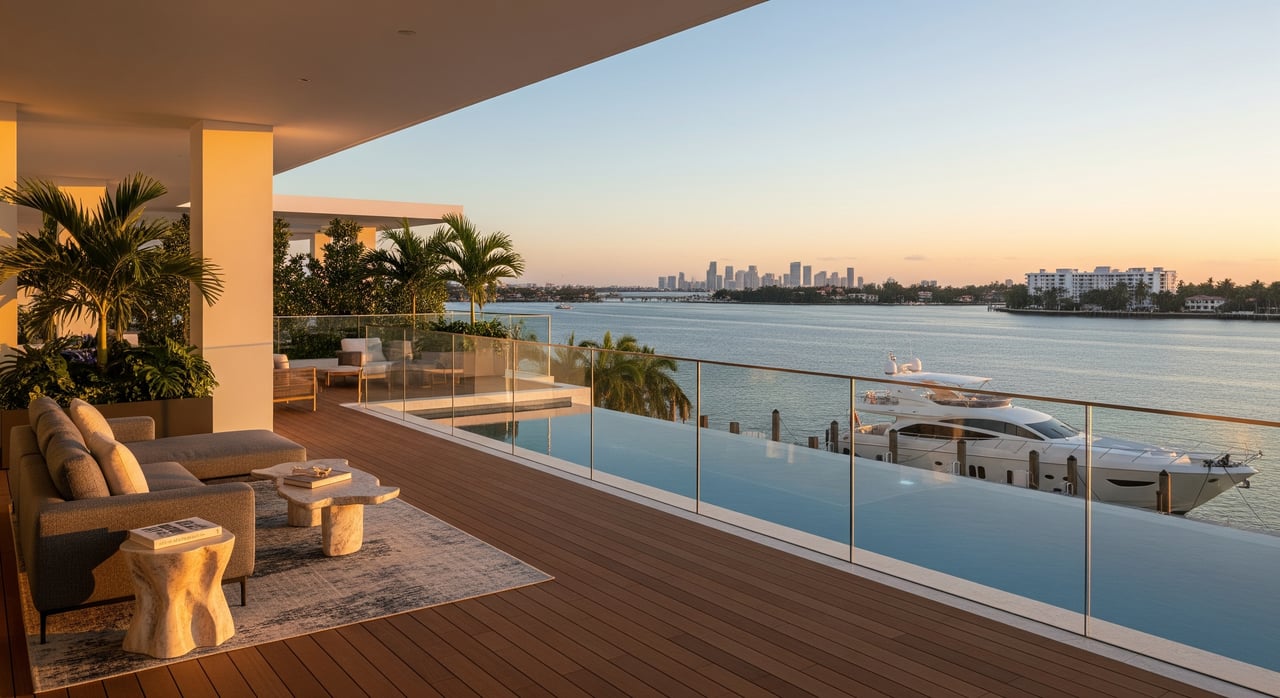
Two islands. One zip code. Very different condo lifestyles. If you are choosing between Bal Harbour and Bay Harbor Islands, you are deciding how you want to live day to day, not just where you want to own. You likely care about privacy, service, long‑term value, and how monthly costs add up. This guide walks you through the trade‑offs in lifestyle, fees, building age and risk, so you can move forward with confidence. Let’s dive in.
Neighborhood snapshot
Bal Harbour at a glance
Bal Harbour is a prestige oceanfront village centered around luxury living. You see high‑end towers, white‑glove services, and direct beach access. The area is anchored by world‑class retail and a resort‑style vibe. You get a strong sense of exclusivity and limited supply.
Bay Harbor Islands at a glance
Bay Harbor Islands is two linked, man‑made islands between Bal Harbour and Miami Beach. The feel is more residential and boutique, with many mid‑rise condos and some single‑family homes. Kane Concourse is the local spine for restaurants, services, and daily needs. Streets are calmer and the community feels tight‑knit.
Budget and monthly costs
Pricing dynamics
Historically, Bal Harbour trades at a premium per square foot relative to Bay Harbor. Limited oceanfront land, luxury finishes, and private beach access drive that premium. Bay Harbor often offers better entry pricing for similar interior space, especially in smaller or older buildings. Always check current comps for each building before you write an offer.
HOA fees and what you get
- Bal Harbour: Expect higher HOA or maintenance fees on average. Full‑service buildings fund concierge and valet teams, private beach and pool operations, robust security, and significant building insurance. These services are valuable, but they are not free.
- Bay Harbor Islands: Many buildings have simpler amenity packages and lower staffing levels, which can mean lower monthly fees on average. Fees vary widely by age, amenity set, and reserve funding.
How to compare fees like a pro
- Look at fee level in context of services you will actually use.
- Compare fee as a percentage of your total monthly housing cost.
- Review the association’s reserves and planned projects. A slightly higher fee can be smarter if reserves are healthy and special assessments are unlikely.
Building age and due diligence
Typical building stock
- Bal Harbour: A mix of luxury towers from several eras, including newer high‑rise product with modern systems. Replacement costs for high‑end finishes and amenities can be significant.
- Bay Harbor Islands: Many mid‑century low or mid‑rise buildings plus newer infill. Older buildings can be well‑run, but they often face concrete restoration, roof, plumbing, or garage work over time.
Special assessments and reserves
In coastal South Florida, older buildings frequently tackle large capital projects. The difference between a smooth ownership experience and a stressful one often comes down to reserve funding and project planning. You should review reserve studies, budgets, and the recent history of assessments before committing.
Your condo document checklist
Request these items early and have them reviewed by your attorney or advisor:
- Current budget, year‑to‑date financials, and the most recent audit or accountant report.
- Most recent reserve study and funding plan, plus a 5‑year capital plan.
- Board meeting minutes for the last 12 to 24 months.
- Association insurance certificate for property and liability coverage.
- Condo declaration, bylaws, and house rules, including pet and rental policies.
- Any developer disclosures for new builds or recent conversions.
- Engineering or structural reports, if available.
- Litigation disclosures and a history of special assessments.
- Elevator service records and contracts for high‑rise buildings.
Florida’s Condominium Act (Chapter 718) outlines key disclosures. Use those documents to understand planned repairs, reserve strength, and policy restrictions before you close.
Amenities and everyday living
Amenity tiers you can expect
- High‑tier, Bal Harbour typical: Private beach access, oceanfront pools, full‑time concierge and valet, on‑site spa and gym, private or semi‑private elevators, covered parking, and on‑site management.
- Mid or boutique, Bay Harbor common: Community pools, a fitness room, assigned parking, and limited on‑site staff. Some buildings have concierge or upgraded amenities, but private beach access is less common.
Walkability and convenience
Both areas are compact and walkable compared to much of Miami‑Dade. In Bal Harbour, you are steps from luxury retail and the beach. In Bay Harbor Islands, you are close to local restaurants, cafes, markets, and services along Kane Concourse, with quick access to Bal Harbour and Miami Beach.
Tourism and privacy
Bal Harbour attracts more shoppers and visitors due to its global retail draw and oceanfront hotels. Bay Harbor Islands stays quieter and more neighborhood‑oriented. Decide how much buzz you want on your doorstep.
Climate, insurance, and resilience
Flood and storm considerations
Both Bal Harbour and Bay Harbor Islands are low‑lying island environments. Expect exposure to storm surge, high groundwater, and potential nuisance flooding over time. For any unit, confirm the flood zone, building elevation, and the location of parking and mechanical systems.
Insurance impact
Condo owners carry a portion of the association’s insurance cost through maintenance fees. You may also carry a separate policy for your unit. Flood and windstorm coverage are significant line items in South Florida. Premiums and deductibles can vary by building, elevation, and mitigation features, so obtain quotes tied to the exact unit before you finalize your numbers.
Resilience planning
Look for buildings that have flood mitigation plans, updated waterproofing, and clear capital strategies for sea level rise and extreme weather. The association’s approach to resilience will affect both your monthly costs and long‑term value.
Which is right for you?
Choose Bal Harbour if you prioritize
- Luxury, full‑service living with private beach access.
- A prestige address next to high‑end retail.
- Willingness to pay higher purchase prices and fees for resort‑level services and scarcity value.
Choose Bay Harbor Islands if you prioritize
- Better value per interior square foot and more options at lower entry prices.
- A quieter, village feel with local restaurants and services.
- Boutique buildings, renovation potential, and often lower monthly fees.
A simple decision framework
- Lifestyle first: Do you want hotel‑level service or a boutique building with privacy and simplicity?
- Monthly costs: Do the services in higher‑fee buildings replace costs you would pay anyway, like a gym or beach club?
- Building fundamentals: Which association shows stronger reserves, fewer assessments, and a clear plan for upcoming work?
How a local advisor adds value
You deserve a smooth, data‑informed purchase with no surprises. A seasoned local advisor will help you:
- Vet association documents, reserves, insurance, and upcoming projects.
- Compare buildings apples to apples, including fee structure, rental rules, and amenity value.
- Identify off‑market opportunities and new construction with solid fundamentals.
When you are ready to compare specific buildings or tour with a focused plan, reach out to Jennifer Brilliant for discreet, high‑touch guidance.
FAQs
How do HOA fees compare between Bal Harbour and Bay Harbor?
- Bal Harbour fees are typically higher because buildings fund more staff and luxury services. Bay Harbor buildings often have simpler amenities and lower staffing, which can mean lower fees, but always verify each building’s budget and reserves.
How do hurricanes and flood risk affect my monthly costs and resale?
- Both areas face coastal risks. Insurance for wind and flood, plus any mitigation work, can raise ongoing costs. Buyers often favor buildings with strong insurance coverage, good reserves, and clear resilience plans.
Are short‑term rentals allowed in these buildings?
- Policies vary by association. Many luxury buildings restrict short‑term rentals to protect resident privacy. Review bylaws, house rules, and rental histories before you buy if rental income matters to you.
Are special assessments common in mid‑century buildings?
- They can be, especially for concrete restoration, roof work, plumbing, or garage repairs. Check reserve studies, meeting minutes, and assessment history to gauge risk.
What documents should I review before I make an offer on a condo?
- Request the budget, financials, reserve study, 12 to 24 months of board minutes, insurance certificates, bylaws and rules, engineering reports, litigation disclosures, elevator service records, and any developer disclosures.
Which area is better for a full‑time residence?
- If you value a quiet, neighborhood feel and better value per square foot, Bay Harbor Islands often fits well. If you want resort services, private beach access, and a prestige address, Bal Harbour may be the better fit.