Trying to decide between a single-family home and a condo in Surfside? You are not alone. Many buyers love the oceanfront lifestyle but want clarity on privacy, amenities, carrying costs, and long-term value. In this guide, you will learn how each option lives, what to expect for insurance and HOA fees, and the due diligence that matters most in Surfside after 2021. Let’s dive in.
Surfside market snapshot
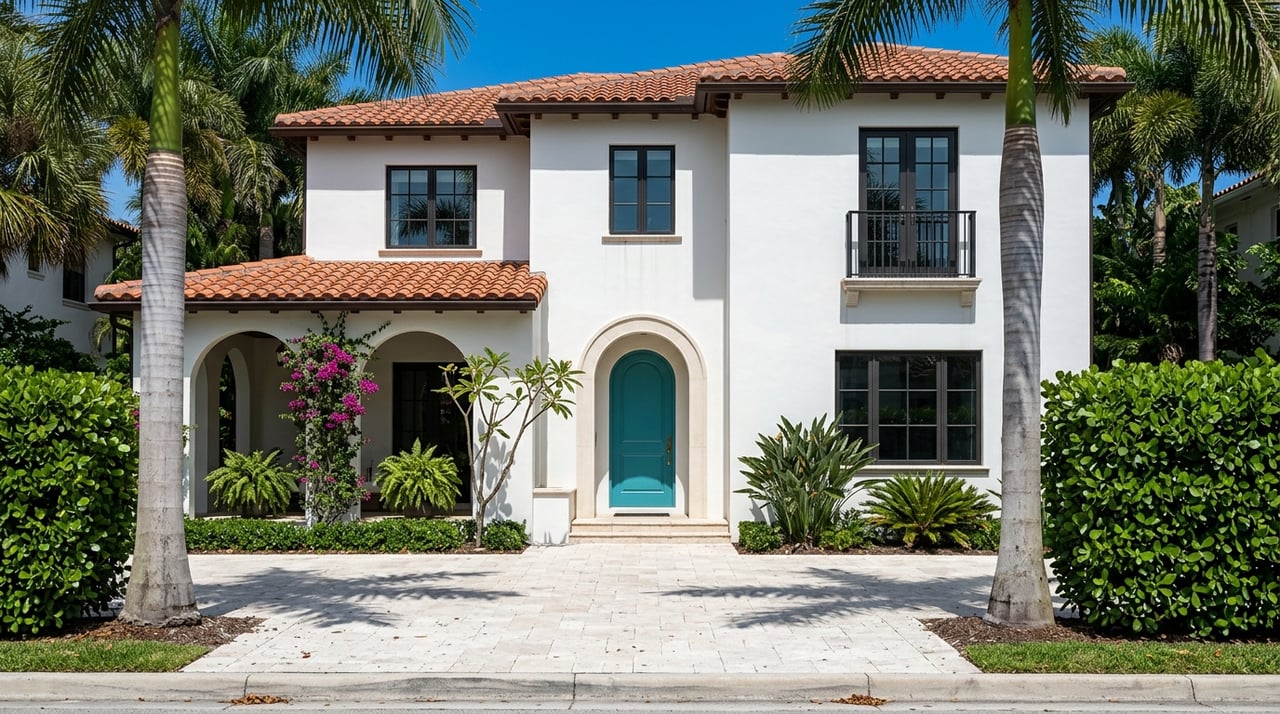
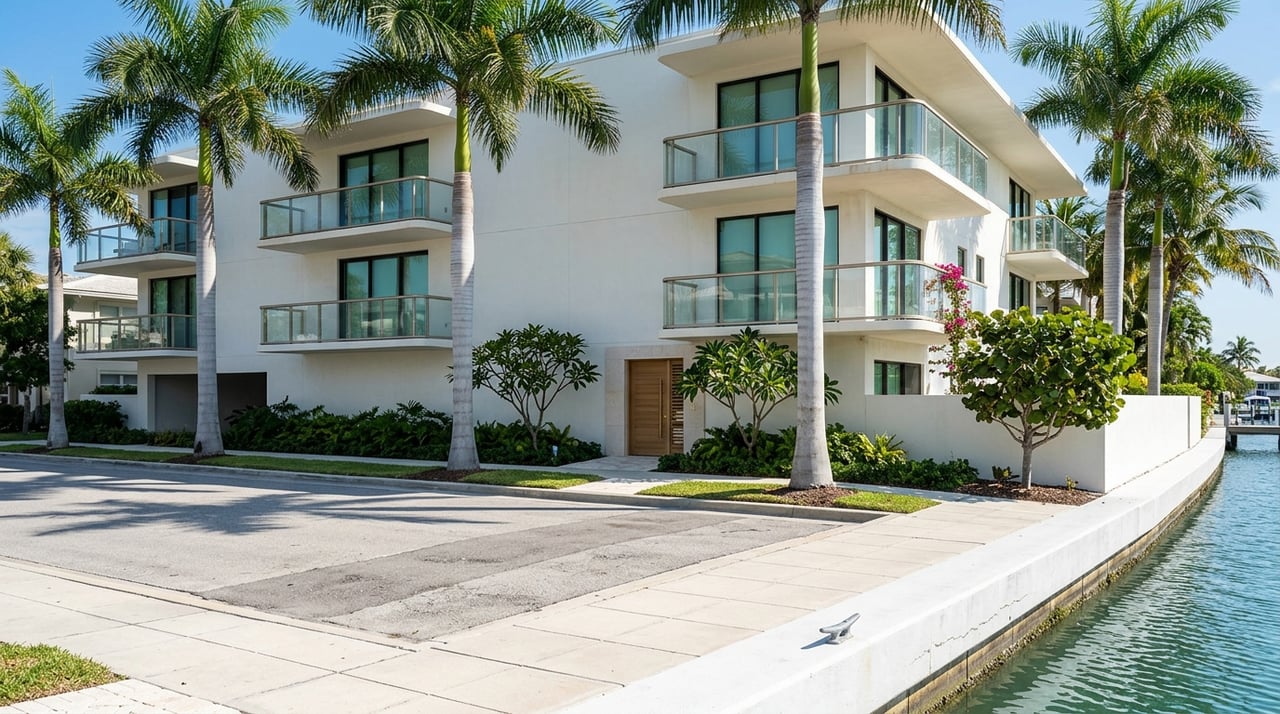
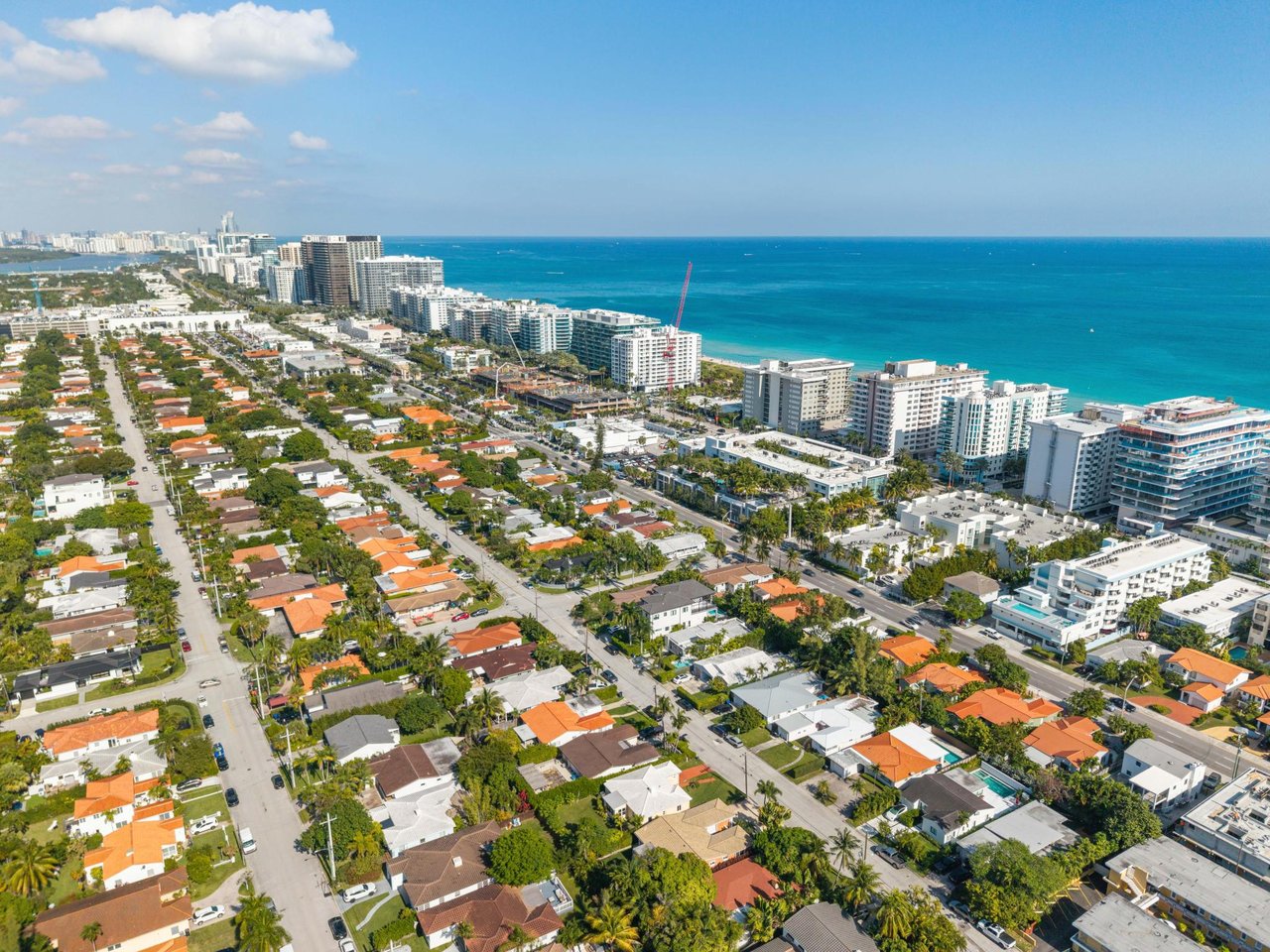
Surfside is a small, upscale oceanfront community just north of Miami Beach and south of Bal Harbour. The housing mix includes luxury beachfront towers, mid-rise and boutique condos, and a limited number of single-family homes on compact lots. Inventory for single-family properties is tight, and beachfront houses are rare.
Recent events continue to shape buyer priorities. The 2021 Champlain Towers South collapse in Surfside heightened focus on building safety, reserves, and inspections. State and local practices around recertification, transparency, and reserve funding have become more prominent. If you are considering a condo, you should verify a building’s inspection and reserve history before making an offer.
Single-family vs. condo lifestyle
Single-family: privacy and space
If you value privacy and outdoor living, a single-family home offers more control over your environment. You get your own yard, the potential for a private pool, and the ability to tailor landscaping and exterior design within local rules. Parking and storage are typically easier, and you can create a home that suits pets and outdoor entertaining.
Condo: amenities and convenience
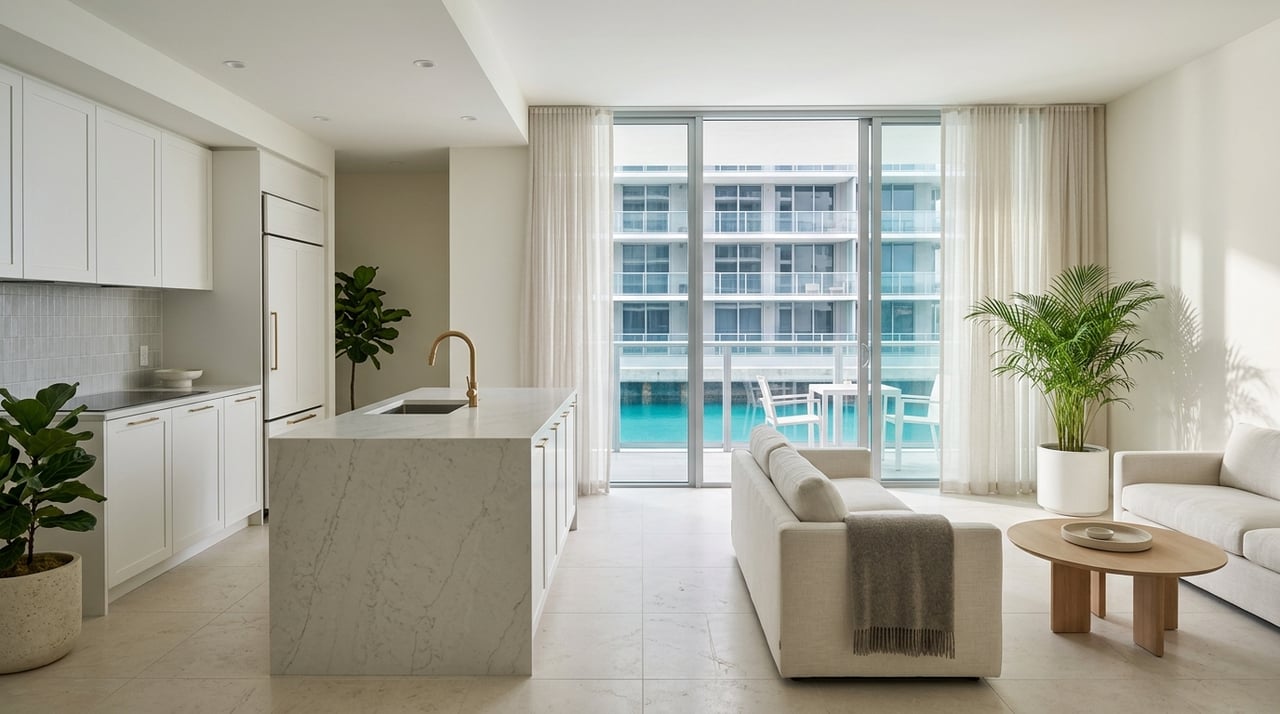
Condos prioritize service and ease. Many buildings offer staffed lobbies, concierge, valet, on-site management, and resort-style amenities such as pools, fitness centers, and spas. If you travel often or want a lock-and-leave setup, condo living can reduce day-to-day responsibilities because building staff maintain common areas and major systems.
Walkability and beach access
Surfside offers strong walkability, with dining, shops, and beach access close by. Both homes and condos can place you near neighborhood life. Access to beach facilities may vary by property, and some buildings offer private or controlled access points.
Noise and community rules
Condo living comes with neighbors nearby and building rules designed to support quiet enjoyment. High-end buildings may have stronger soundproofing and more structured policies. Single-family homes offer more control over privacy features and fewer shared rules, unless an HOA is in place.
Ownership costs and responsibilities
HOA fees and special assessments
Condo fees can be significant in luxury waterfront buildings because they fund staffing, amenities, maintenance, building insurance, and long-term reserves. After 2021, reserve studies and proper funding have become critical. Your review should include the latest reserve study, current fee structure, any pending or recent special assessments, and meeting minutes that mention capital projects.
Maintenance and service scope
With a condo, the association typically maintains the building’s structure and common systems, although policies vary by association. You will likely need an HO-6 policy for interior finishes, personal property, and potential deductible obligations. As a single-family owner, you handle all upkeep for the roof, exterior, landscaping, and systems. Many owners hire contractors for pool care, security, and grounds.
Insurance realities in Florida
The coastal insurance market in Florida has been volatile. Windstorm and flood premiums have trended higher, and insurer capacity can change. For condos, study the master policy carefully, including coverage type and how deductibles are allocated. For single-family homes, expect a homeowners policy plus wind and flood coverage if required by your flood zone. Always request current premium estimates early.
Financing differences
Financing a single-family home is usually straightforward for qualified buyers, with conventional, jumbo, and portfolio options available. Condo financing depends on the project’s eligibility with lenders, including owner-occupancy ratios, reserve levels, and litigation status. Some boutique or luxury buildings may require a portfolio loan or cash. International buyers often face stricter documentation and higher down payments, so plan your lending strategy in advance.
Resale, rentals, and long-term value
Resale dynamics
Condos in a beachfront market can benefit from a broad buyer pool, including second-home and investor demand. Building-specific issues can affect liquidity, such as aging systems, high fees, or insurance challenges. Newer high-amenity towers often draw luxury buyers, but pricing can be more volatile. Single-family homes have limited supply in Surfside, which can support strong pricing, especially for upgraded or rebuilt properties that maximize the lot.
Rental and short-term rules
Condo bylaws commonly govern minimum ownership periods before renting, minimum lease lengths, rental caps, and short-term rental policies. Some buildings restrict short-term platforms. Municipal rules also apply, so never assume nightly rentals are allowed without confirming the bylaws and local ordinances. If you want income potential, review rental history, occupancy data, and all governing documents.
Coastal risk and resiliency
Sea-level rise and storm risks are part of coastal ownership. Ask for elevation certificates and flood zone information, and confirm what mitigation steps a property or building has taken, such as elevating mechanicals or installing flood vents. Rising insurance and future regulation can affect carrying costs and resale, so factor resiliency into your long-term plan.
Taxes and international ownership
Florida has no state income tax, which many buyers value. Property taxes are set by Miami-Dade County, and exemptions such as homestead apply to primary residents. If you are a non-resident owner, U.S. federal rules like FIRPTA may apply when selling. Many international buyers use entities to hold title, which can have tax and lending implications. Coordinate early with experienced legal and tax advisors.
What to check before you buy
Use this due-diligence list for Surfside condos or single-family homes. Items marked with an asterisk are especially important in Surfside post-2021.
- Financial and HOA documents (condos and any single-family HOA):
- Current budget, recent audits, reserve study, and meeting minutes from the past 12–24 months.*
- Current dues, special assessment history, and planned capital projects.*
- Building and structural history:
- Recertification certificates, recent engineer or structural reports, exterior inspection records, elevator and roof plans, and the capital improvement plan.*
- Insurance:
- Master policy details for condos, including coverage limits, wind/hurricane coverage, and deductible structure; association claims history.
- Owner’s expected premiums: HO-6 for condos; HO-3 or HO-5 plus wind and flood for single-family.*
- Flood zone, elevation certificate, and any recent resiliency work.
- Financing feasibility:
- Condo project eligibility for conventional financing or the need for portfolio lending or cash.
- Rental and occupancy rules:
- Minimum lease terms, rental caps, any waiting periods, and short-term rental restrictions.
- Operations and lifestyle:
- Parking allocation, guest parking policies, pet rules, move-in and elevator reservation procedures.
- Local services and taxes:
- Property tax history and exemptions; utility inclusions for condos and any municipal service fees.
- Professional review:
- Engage a local attorney for condo documents and bylaws. Schedule a thorough home inspection for single-family homes and request appropriate engineering reviews for older or complex buildings.*
Which Surfside option fits you?
Choose a single-family home if you want:
- Maximum privacy, outdoor space, and the option for a private pool.
- Control over design and landscaping, within local rules.
- Easier parking and storage, with fewer shared rules.
- Willingness to manage or outsource all maintenance and insurance.
Choose a condo if you prefer:
- Staffed services, security, and resort-style amenities.
- Lock-and-leave convenience for seasonal or international living.
- Predictable building maintenance and shared responsibility for large systems.
- Potentially stronger walk-in demand from future buyers in amenity-rich buildings.
Next steps
The best choice aligns with how you live, your appetite for maintenance, and your view on building governance and coastal risk. If you narrow your lifestyle priorities first, you can compare total monthly costs, financing feasibility, and long-term value for specific Surfside properties. A tailored short list will save you time and protect your outcome.
If you want curated options and a clear plan through inspections, reserves, insurance, and financing, connect with a local advisor who knows Surfside’s buildings and single-family streets intimately. Start a private conversation with Jennifer Brilliant to align your lifestyle goals with the right Surfside home or condo.
FAQs
What are typical carrying cost differences in Surfside?
- Condos often have higher monthly HOA fees for amenities and insurance, while single-family owners handle their own maintenance, property taxes, and wind and flood premiums, so compare the full monthly total for each option.
Are Surfside condos a safe investment after 2021?
- Many buyers remain active, but project-specific factors such as inspection history, reserve funding, insurance, and governance drive risk, so detailed building due diligence is essential before you buy.
How hard is it to finance a Surfside condo?
- It depends on the building’s eligibility and financials; some projects meet conventional guidelines while boutique or lower owner-occupancy buildings may require portfolio loans or cash.
Can I do short-term rentals in a Surfside condo?
- Rules vary widely by building and local law; verify minimum lease terms, rental caps, waiting periods, and any short-term platform restrictions before you purchase.
What should I know about coastal insurance in Surfside?
- Windstorm and flood markets can be volatile; request current quotes early and confirm condo master policy coverage and deductible allocation or, for homes, expected premiums for homeowners, wind, and flood coverage.