Coconut Grove
Coconut Grove is Miami’s oldest neighborhood and one of its most enduring luxury enclaves, defined by a rare combination of deep history, lush tropical canopy, and a village-style core that still feels residential and discreet. For luxury buyers who want privacy and greenery without giving up proximity to Brickell, Downtown, and Coral Gables, the Grove offers a lifestyle that feels established rather than manufactured, with limited land, strong architectural character, and a consistent demand profile.
Why Luxury Buyers Choose Coconut Grove
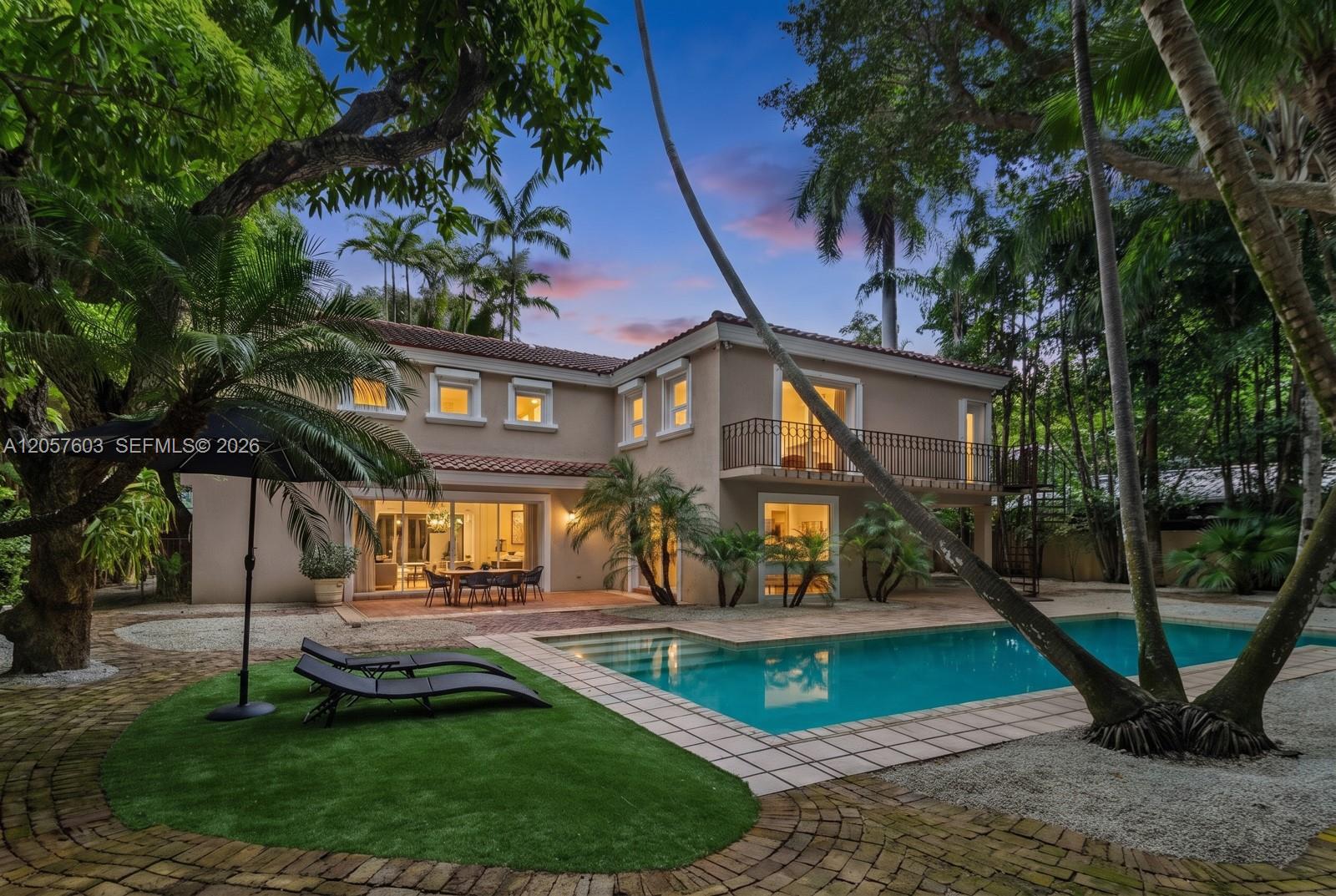
Coconut Grove’s appeal is rooted in scarcity and atmosphere. The streets are shaded by mature banyans and palms, homes are often set back behind layered landscaping, and the neighborhood’s development pattern tends toward low density compared to many other prime Miami districts. The result is a sense of calm and permanence that resonates with end-user buyers and long-term holders, while still delivering a highly walkable social scene and access to Biscayne Bay.
Lifestyle and Day-to-Day Experience
Life in Coconut Grove revolves around outdoor living and a true neighborhood rhythm. Residents treat morning walks, coffee runs, and park time as part of the daily routine, then transition seamlessly into lunch meetings, boutique shopping, or waterfront sunsets without leaving the area. The Grove’s village center, including the CocoWalk area and surrounding corridors, supports a refined but relaxed social scene with dining, cafés, and boutiques that feel curated and local rather than purely tourist-driven.
For luxury buyers, this translates into a lifestyle that is both elevated and livable: casual enough for everyday routines, polished enough for entertaining, and positioned close to the city’s major business and cultural hubs.
Residences and Architectural Character
Coconut Grove offers one of the most diverse luxury housing mixes in Miami, with inventory that spans historic charm through new-construction sophistication. Buyers will find early-era cottages and bungalows in established pockets, mid-century residences on quiet interior streets, and contemporary tropical-modern homes designed around indoor-outdoor living, privacy walls, courtyards, and expansive glass.
Luxury condo options tend to skew boutique and high-design relative to other submarkets, appealing to buyers who want a lock-and-leave lifestyle while staying connected to the Grove’s walkable core. At the top end, limited-supply waterfront and near-water estates command a meaningful premium tied to privacy, prestige, and access to the bay and marinas.
Waterfront Culture, Parks, and Green Space
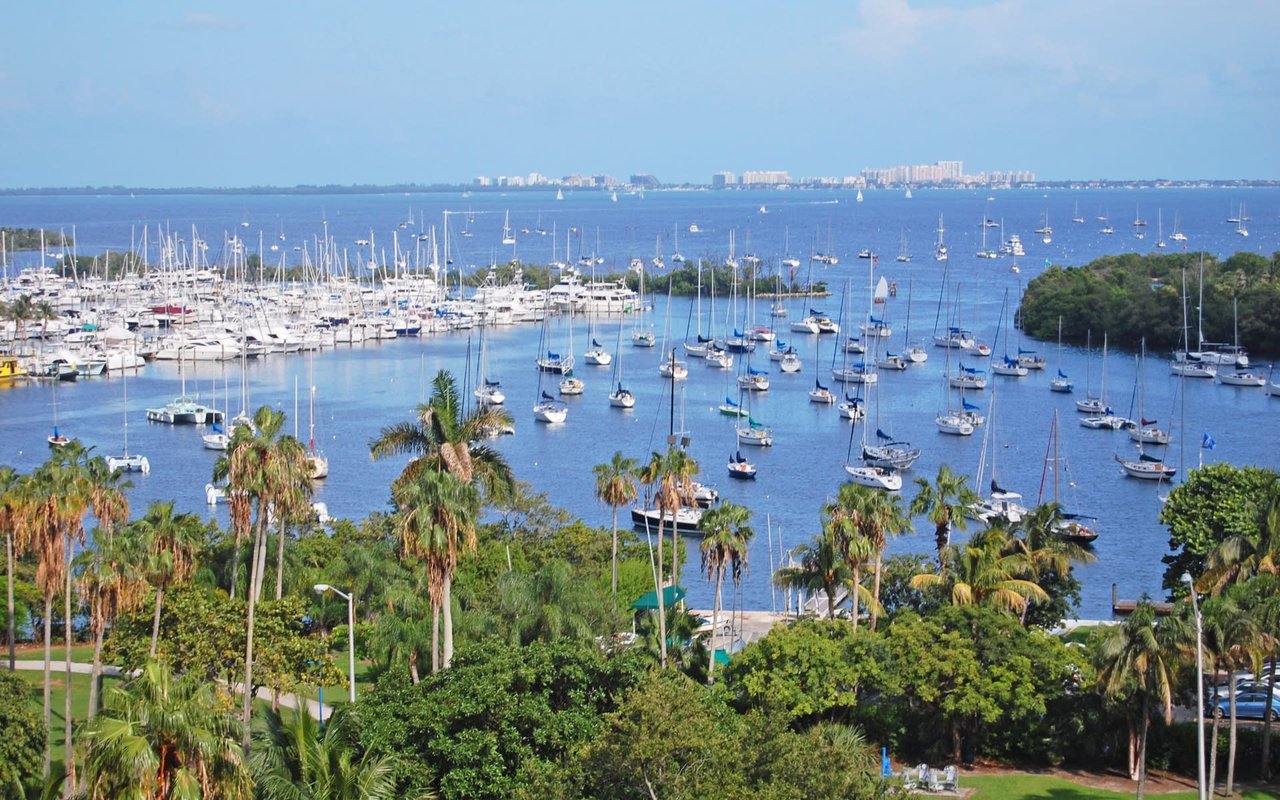
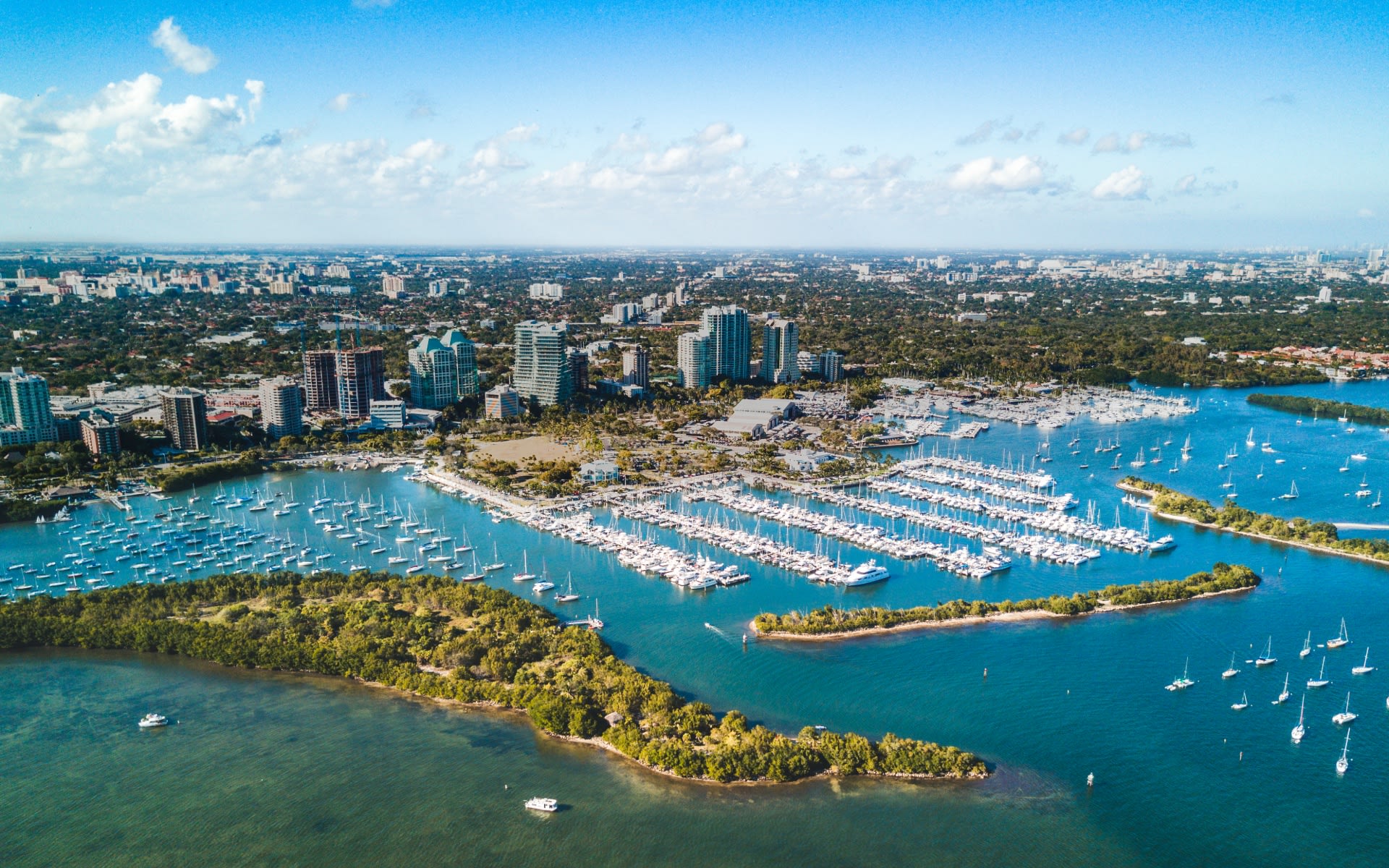
Coconut Grove is often associated with Miami’s sailing and boating culture, and the waterfront presence is a major driver of its luxury positioning. Marinas, bayfront parks, and a strong outdoor recreation culture reinforce the neighborhood’s identity as a place where the “Miami lifestyle” is not aspirational marketing, it is simply how people live day to day.
Signature green spaces include Peacock Park and David T. Kennedy Park, which contribute to the Grove’s open-air feel and enhance property values by anchoring the neighborhood with protected bayfront land and recreational amenities.
History and Cultural Significance
Coconut Grove’s historical importance is not just a talking point, it materially shapes the market. The neighborhood traces its roots to the late 1800s and carries a notable Bahamian influence that remains a defining part of its cultural fabric, particularly in West Grove and the Little Bahamas area. This depth of history, combined with a preservation-minded identity, is part of what protects the Grove’s character and supports long-term value.
Just north of the Grove, Vizcaya Museum and Gardens adds another layer of legacy to the area’s story. Its waterfront estate setting, formal gardens, and early-20th-century grandeur have become a lasting symbol of Miami’s historic elegance and help reinforce the Grove’s broader appeal to buyers who value heritage, beauty, and a sense of permanence.
Landmarks that underscore the Grove’s heritage include The Barnacle Historic State Park, tied to Miami’s pioneer era, along with The Kampong, a celebrated botanical site linked to Miami’s tropical identity. Cultural anchors like the Coconut Grove Playhouse further reinforce the neighborhood’s legacy and sense of place.

Dining, Retail, and the Village Core
Coconut Grove has matured into one of Miami’s strongest lifestyle neighborhoods for repeatable dining and everyday luxury. Instead of relying on occasional “destination” visits, residents have a built-in rotation of excellent restaurants, cafés, and sidewalk dining that makes the neighborhood feel complete. For luxury buyers, that convenience carries real weight: it reduces friction in daily life and elevates the overall ownership experience.
Schools and Long-Term Livability
For luxury buyers prioritizing education, Coconut Grove benefits from proximity to well-regarded public and private school options, including highly recognizable private-school brands in the area. This supports the neighborhood’s family-buyer demand and helps keep the market resilient across cycles.
Market Positioning and Investment Characteristics
Coconut Grove sits firmly in Miami’s luxury tier, buoyed by constrained supply, limited land availability, and a buyer base that values neighborhood identity as much as finishes and square footage. Homes here often trade on lifestyle premiums such as privacy, greenery, walkability, and proximity to the bay. From an investment standpoint, the Grove tends to attract end-user demand and longer hold periods, which can support price stability and reduce volatility relative to more investor-concentrated submarkets.
Explore Coconut Grove Real Estate
Coconut Grove is ideal for luxury buyers seeking a refined residential setting with true neighborhood texture, architectural variety, and a lifestyle anchored by waterfront access and a walkable village core.